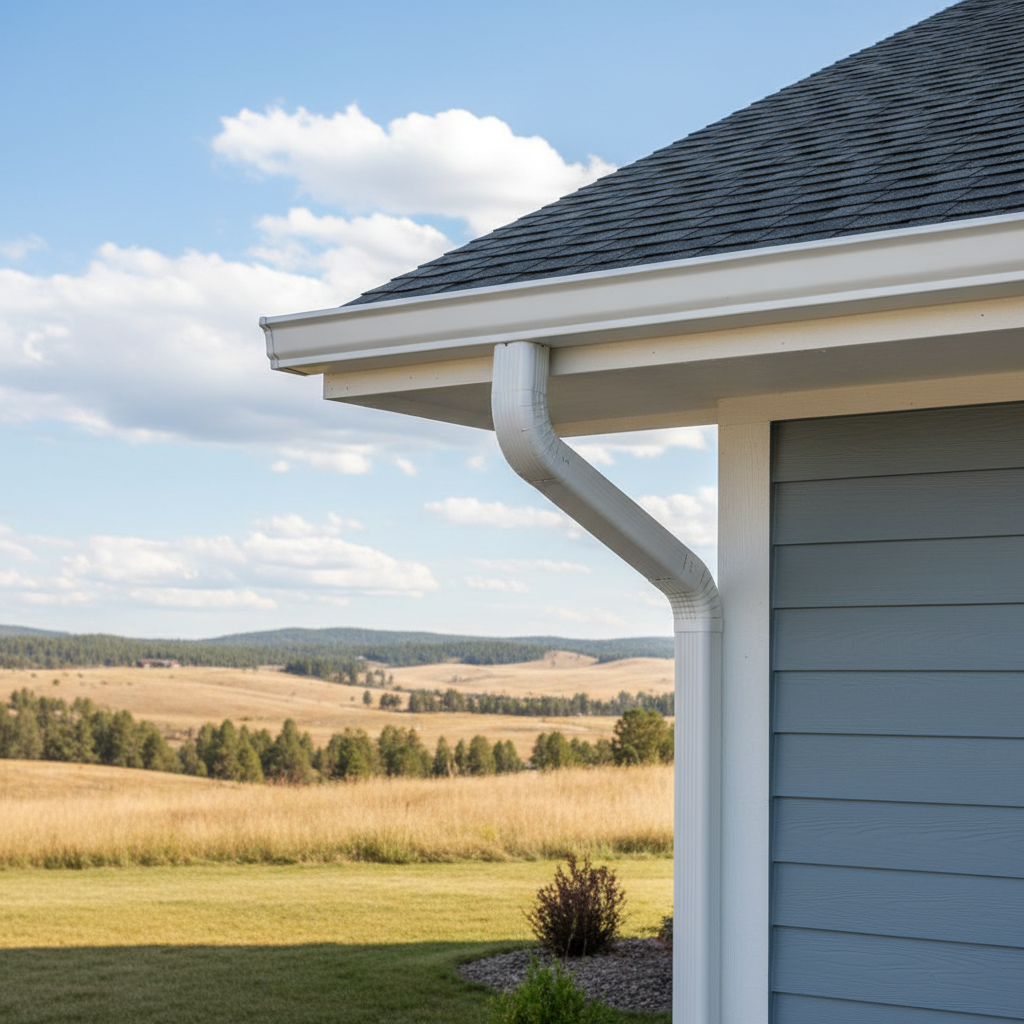
Soffits. Most folks don't really think about them until something goes wrong. But when they're damaged, oh boy, that's a real headache and can quickly turn into bigger problems. I get a lot of questions about soffit repair right here in Great Falls, so I figured I'd just lay out the answers to the most common ones. No fancy words, just the stuff you actually need to know.
What exactly IS a soffit, and why should I care?
Alright, let's start with the basics. Your soffit is that finished surface you see on the underside of your roof's overhang – that's where the roof sticks out past your exterior walls. They're usually made of vinyl, aluminum, or wood. You can think of it like the 'ceiling' of your eaves. Now, why does it matter? Well, it's not just there for looks, though it definitely makes your roofline appear much cleaner.
Its main job? Ventilation. Most soffits have these tiny holes or vents that let air flow right into your attic. This is super important, especially here in Great Falls where we get those wild temperature swings. Good attic ventilation helps stop heat from building up in the summer, which can really drive up your AC bills and wear out your roof shingles way too fast. In winter, it helps prevent ice dams by keeping the attic temperature closer to the outside air. That way, snow melts evenly and doesn't refreeze at the eaves. It also helps keep moisture from building up, which can lead to mold and rot in your attic's structure.
Beyond just ventilation, soffits also keep pests out. Birds, bats, squirrels, wasps – they all love a cozy, protected spot to build a nest. A damaged soffit is basically an open invitation. Trust me, you do not want a family of raccoons moving into your attic. They make a huge mess, and getting rid of them is no picnic.
What causes soffit damage in Great Falls?
Around here, I usually see a few main culprits. First, the weather. Our crazy winds can rip off loose panels, and hail storms, while not as frequent as in some places, can definitely dent or crack vinyl and aluminum. Then there's water. Leaky gutters are a big one. If your gutters are overflowing or have a crack, water can run right behind them and soak into the soffit and fascia board. Over time, this causes wood soffits to rot, and even vinyl or aluminum can warp or pull away if the wood underneath is compromised.
Pests are another huge factor. Squirrels, birds, and even mice will chew or peck their way through a soffit to get into your attic. I've seen some pretty elaborate nests up there, all thanks to a small opening in the soffit. Sometimes, it's just age, you know? Materials degrade over time, paint peels, wood rots, and fasteners come loose.
Can I just fix it myself, or do I need a pro?
Honestly, it depends on the damage. If it's just a small, isolated piece of vinyl that's popped out, and you're comfortable on a ladder, you might be able to snap it back in or replace a single panel. If it's a small hole from a bird, maybe you can patch it yourself. But here's the thing: often, the damage you can see is just the tip of the iceberg.
If you've got rot, that means water damage, and that usually means the fascia board or even the rafter tails underneath are also compromised. That's a structural issue that needs proper repair, not just a patch. If pests are involved, you need to make sure they're gone before you seal it up, otherwise you'll have bigger problems. Plus, working on ladders, especially at roof height, can be pretty dangerous. If you're not experienced or comfortable, it's always safer to call in a professional. We've got the right equipment, the experience, and we know what to look for beyond just the obvious stuff.
What's involved in a typical soffit repair?
It really varies based on the material and how bad the damage is. For minor stuff, like a loose vinyl panel, it might be as simple as just re-securing it or replacing a single section. If it's wood rot, we'll need to remove the damaged parts, check the underlying fascia and rafter tails for more damage, repair or replace those structural components, and then install new wood soffit, prime, and paint it to match. For aluminum or vinyl, we'll remove the damaged sections, replace them with new material, making sure the color and profile match as closely as possible. If there's pest entry, we'll make sure the critters are gone, clean up any mess, and then seal up the entry point with durable materials.
Sometimes, we find that the original installation wasn't done quite right, or the ventilation isn't good enough. In those cases, we might suggest adding more vented soffit panels to improve airflow to your attic. That's a smart move for the long run, especially with our hot summers.
How long does soffit repair usually take?
Most basic soffit repairs can be done in a single day, sometimes even just a few hours. If it's extensive rot involving multiple sections of fascia and structural wood, it could take a couple of days. It really just depends on the scope. When we come out for an estimate, we'll give you a good idea of the timeline once we've properly assessed the damage.
Will my new soffits match my existing ones?
We always do our best to match. For vinyl and aluminum, manufacturers have standard colors and profiles. If your existing soffit is a common color, we can usually find a very close, if not exact, match. If your soffits are older or a custom color, it might be a little trickier. We can often find a complementary color, or if it's a small, discreet section, that slight difference might not even be noticeable. For wood soffits, we'll match the wood type and then prime and paint it to blend seamlessly with your existing trim. We'll talk through all these options with you before we start any work, so you know exactly what to expect.
When should I consider replacing all my soffits instead of just repairing?
That's a good question. If you've got widespread damage – let's say rot in multiple areas, or if your soffits are old, brittle, and failing in several spots – then a full replacement might actually be more cost-effective in the long run. Constantly patching small sections can really add up, and you'll still have old material that's prone to failing elsewhere. Also, if you're planning on replacing your gutters and fascia, or doing a full exterior renovation, it often makes sense to do the soffits at the same time. It ensures a cohesive look and a fully updated, durable system. We can give you an honest assessment of whether repair or replacement is the better option for your home during our inspection. Here at Aim High Gutter Solutions, we're all about giving you the best advice for your specific situation, not just trying to sell you the most expensive fix.
What happens if I ignore soffit damage?
Ignoring it is never a good idea. That small hole or soft spot can quickly become a much bigger, more expensive problem. Water will keep getting in, leading to more extensive rot in your fascia, rafter tails, and even your attic sheathing. That's structural damage, and it can compromise the integrity of your roofline. Pests will move in, bringing with them potential health hazards, noise, and damage to insulation and wiring. Your attic ventilation will be messed up, leading to higher energy bills and potential roof issues. It's one of those things where a small repair now can save you a huge headache and a lot of money down the road. Don't let it fester, okay?