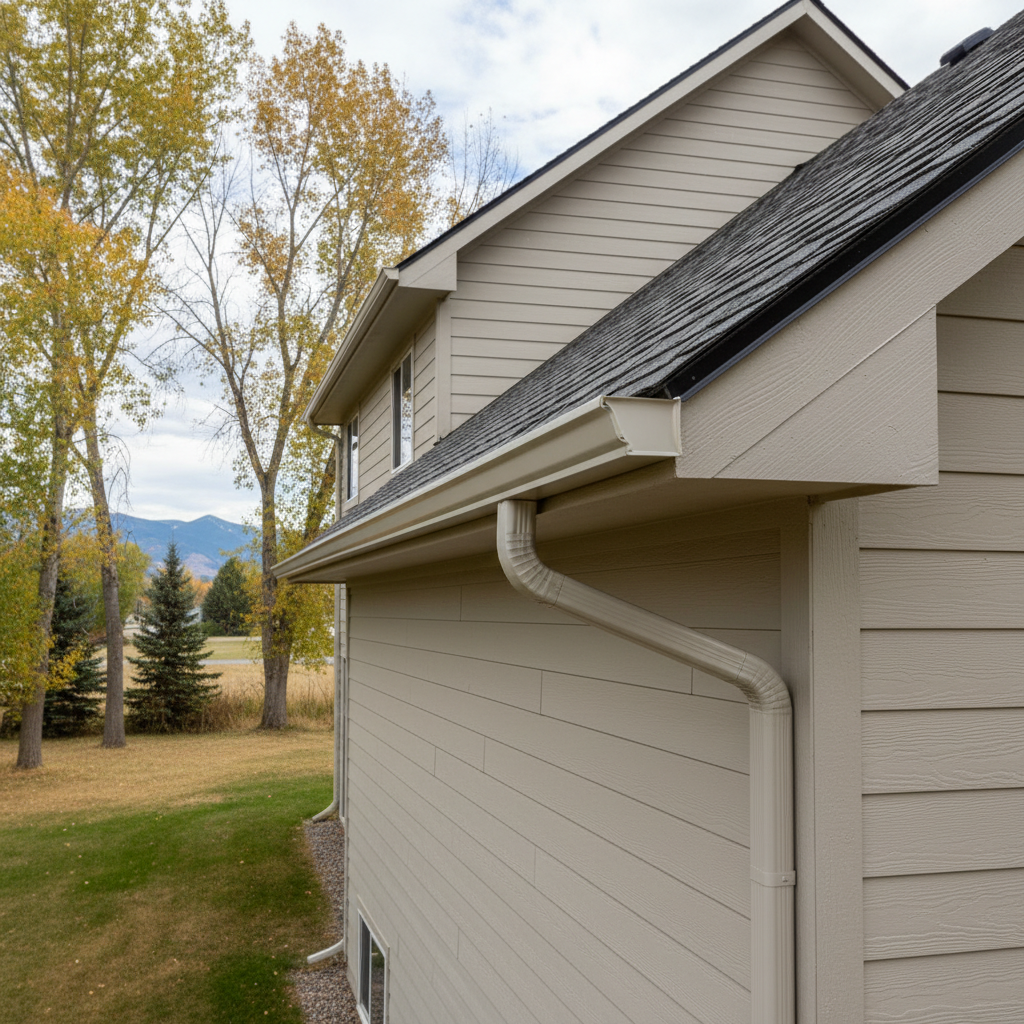
So, you’ve gone ahead and installed seamless gutters. That’s a smart move for any Great Falls homeowner, especially considering how our weather can swing from heavy snow to sudden, torrential downpours. But let's be real, putting them in isn't a "set it and forget it" kind of deal. To truly get your money's worth and keep your home safe, you'll need a bit of ongoing care. Think of it like changing the oil in your truck – totally essential for keeping it running right for years.
Making Your Seamless Gutters Last Longer
The biggest thing you can do to extend the life of your seamless gutters is pretty straightforward: keep 'em clean. I know, I know, it sounds obvious, but it's the honest truth. Debris buildup is the absolute enemy. When leaves, twigs, and shingle grit just sit there in your gutters, they don't just block water flow; they actually hold moisture right against the metal. That constant dampness, over time, can lead to corrosion, even with high-quality aluminum. Plus, all that weight from water and gunk? It can strain the hangers and, eventually, pull the gutters right off your fascia.
Another crucial step is making sure your downspouts are clear. A clean gutter doesn't do much good if the downspout is clogged. Water will just back up, overflow, and potentially damage your fascia, soffit, and even your foundation. During our freezing winters, a clogged downspout can actually turn into a solid block of ice, which can cause some serious damage when it expands. Proper drainage away from your foundation is also super important. If your downspouts are just dumping water right next to your house, you're really just moving the problem around. You might want to consider extensions or splash blocks to send that water at least 5 to 10 feet away.
What Does Regular Maintenance Actually Look Like?
For most homes here in Great Falls, you should probably check your gutters at least twice a year. Once in the late fall, after most of the leaves have dropped, and then again in the spring, once the snow melts and before those heavy spring rains kick in. If you happen to have a lot of mature trees around your place, especially cottonwoods or aspens that shed a ton, you might need to do it even more often. Sometimes, after a particularly windy storm, it's a good idea to just take a quick peek, too.
- Clear out the gunk: This means getting up there (safely, please!) and scooping out leaves, pine needles, shingle granules, and whatever else has piled up. A small trowel or a gutter scoop usually works pretty well.
- Flush with water: Once you've got the debris out, run a hose through your gutters. This helps you check for proper flow and makes sure your downspouts are clear. Keep an eye out for any leaks or spots where water isn't draining quite right.
- Check hangers and fasteners: Look for any hangers that seem loose, bent, or are just plain missing. Make sure the gutters are still securely attached to your fascia.
- Inspect downspouts: Double-check that they're firmly attached to both the gutter and the house, and that their extensions are indeed directing water away from the foundation.
For those of you who absolutely hate heights or just don't have the time, gutter guards can really cut down on how often you need to clean. They don't make it completely maintenance-free – you'll still want to check them occasionally for smaller debris or shingle grit – but they definitely make the job a whole lot easier.
Signs That Something's Wrong
Your gutters often give you clues when there's a problem, if you just know what to look for. Don't ignore these signals:
- Overflowing water: If water is spilling over the sides of your gutters, especially during a moderate rain, they're either clogged or not pitched correctly.
- Sagging gutters: This is a pretty clear sign they're either too heavy with debris/water, or the hangers are failing. Sagging gutters won't drain right and can actually pull away from your house.
- Water stains on your fascia or siding: This tells you water is getting behind or over your gutters, which can lead to rot and other expensive damage.
- Puddles around your foundation: If you see standing water near your house after it rains, your gutters or downspouts aren't doing their job of directing water away.
- Peeling paint or mildew on exterior walls: Another indicator of consistent water exposure where it shouldn't be.
- Ice dams: While often linked to attic insulation, overflowing gutters can definitely contribute to ice dam formation, especially with our Great Falls winters. If water collects in your gutters and freezes, it can cause significant damage.
When to Call the Pros
While some basic cleaning is definitely a DIY task, there are times when you really should call in the professionals. If you're seeing persistent overflowing even after you've cleaned them, that could mean a pitch problem that needs adjusting. If you notice leaks at the seams (though seamless gutters have very few, they can still happen at end caps or downspout outlets), or if sections of your gutter are pulling away from the house, those are jobs for someone with the right tools and experience.
Any time you feel uneasy on a ladder, or if your roof is particularly steep, it's always safer to hire help. We've seen too many accidents that could have been avoided, you know? Also, if you suspect damage from heavy snow loads or high winds – which we get plenty of here in Great Falls – it's best to have a professional like Aim High Gutter Solutions take a look. We can spot issues you might miss and make sure your system is ready to handle whatever Montana throws at it.